
What to do after a fender bender on the 10 or 405 freeways in West LA
A fender bender in West LA can turn an ordinary drive into a stressful situation in seconds, especially when it happens on the 10 or 405 freeway. Between heavy traffic, limited shoulder space, and vehicles moving around you, your first priority should be getting yourself and your passengers to a safe location.
Once everyone is safe, there are a few practical steps you can take to document the accident, deal with insurance, and make sure seemingly small damage isn't hiding a bigger repair issue.
Here's what to know.
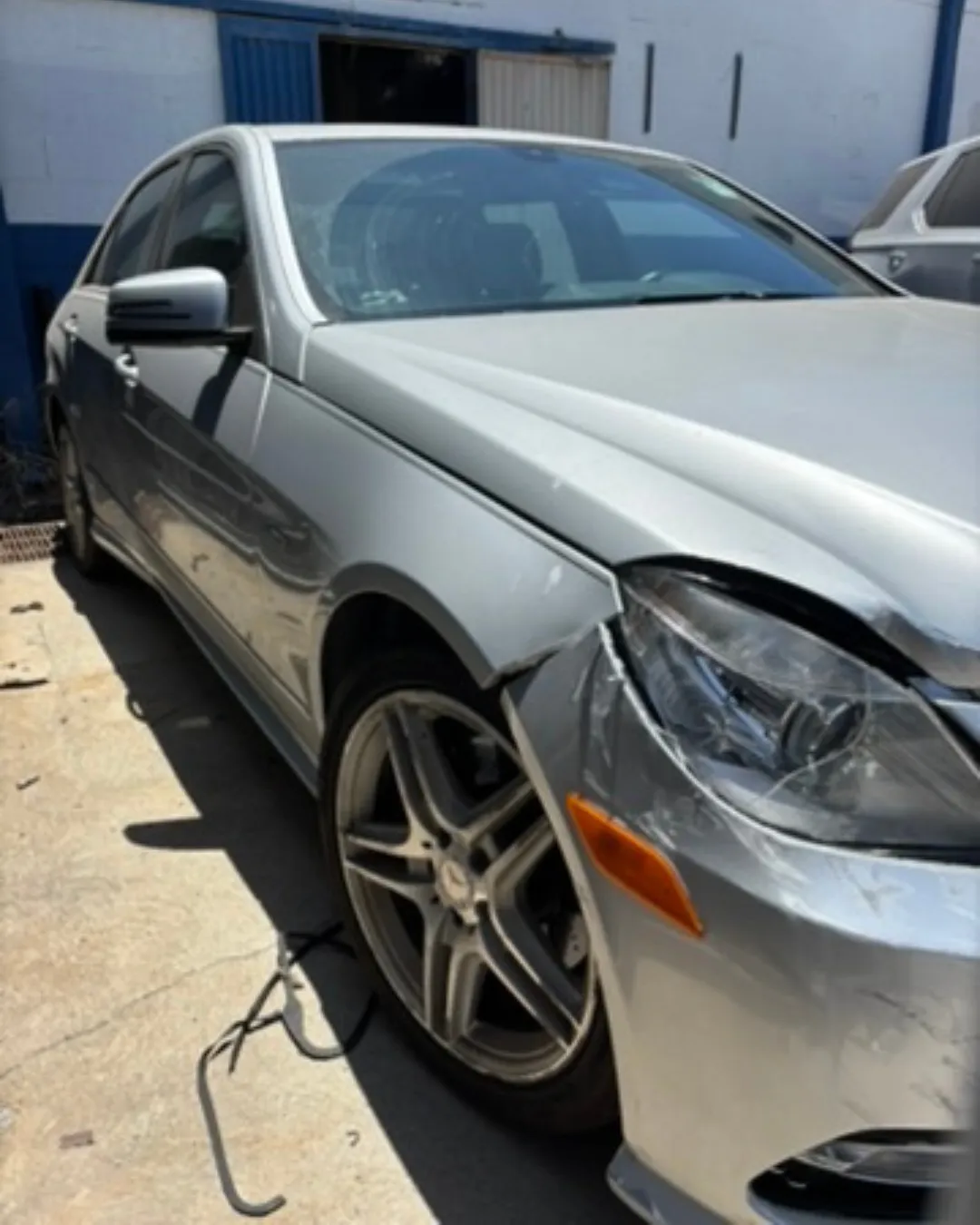
Why a Fender Bender on the 10 or 405 Requires Extra Caution
Handling a minor collision on a quiet residential street is one thing. Dealing with one in freeway traffic is another. Traffic on the 10 and 405 can move quickly one minute and come to a complete stop the next. Shoulder space can also be limited in some areas. That makes one rule especially important: don't put yourself in danger just to inspect your bumper or take a photo.
Get Out of Active Traffic When You Can Do So Safely
If the collision involves property damage only and your vehicle can be moved safely, California Highway Patrol guidance recommends moving it out of the roadway to a safe location, which may include the shoulder or the next off-ramp.
Turn on your hazard lights and move carefully. If getting out of your vehicle would put you close to moving traffic, stay inside until it's safe to exit or emergency personnel tell you otherwise.
The damage can wait. Your safety can't.
What to Do Immediately After the Collision
The first few minutes after an accident can be disorienting. Instead of trying to figure everything out at once, focus on a few basic steps.
1. Check for Injuries
Check yourself and your passengers first. If anyone is injured, appears disoriented, or needs emergency assistance, call 911. Avoid moving someone with a potentially serious injury unless remaining where they are presents an immediate danger.
2. Determine Whether the Vehicle Can Be Moved Safely
If there are no apparent injuries and the vehicle can be driven safely, getting out of active freeway lanes should be the priority. If you're unsure whether the vehicle is safe to move, you see leaking fluids, a wheel or tire appears damaged, or the vehicle isn't operating normally, don't take unnecessary chances.
3. Contact Emergency Services When Necessary
If there are injuries, vehicles are blocking traffic, or the collision creates an immediate roadway hazard, call 911. For non-emergency questions about a freeway collision or reporting requirements, follow current California Highway Patrol guidance.
Document the Accident Once You're Somewhere Safe
Photos and accurate information can be helpful when you report the accident and begin an insurance claim. But don't stand in moving freeway traffic to get the perfect picture.
Take Photos of the Damage
Once you can safely do so, photograph:
- Damage to your vehicle
- Damage to the other vehicle
- Both license plates
- Wider views showing the affected areas
- Any debris or other relevant details
- Road conditions or surroundings when appropriate
If it's unsafe to take photos before moving the vehicles, wait until you've reached a safe location. You can also make a quick note of where the collision happened, including the freeway, direction you were traveling, and the nearest exit.
Exchange Information With the Other Driver
Exchange the appropriate contact, driver's license, vehicle, and insurance information. Keep the conversation calm and focused on gathering the information you need. Your insurance company can help handle the claim process afterward.
What to Do in the Days After the Accident
Once you're safely off the freeway, the next questions usually involve insurance, reporting requirements, and repairs.
Check Whether You Need to File a California DMV Accident Report
California requires an SR-1 accident report to be filed with the DMV within 10 days if someone was injured or killed, or if property damage exceeds $1,000.
The SR-1 requirement is separate from reports made to law enforcement or your insurance company. Because reporting requirements can change and individual circumstances vary, check the current California DMV requirements directly if you're unsure whether you need to file.
Start the Insurance Process
If you're making an insurance claim, contact your insurer and follow its process for reporting the accident. Have your photos, the other driver's information, and any relevant accident details available. Your insurer can explain what additional information it needs and what happens next with your claim.
You may also be given recommendations for repair facilities during the process, but you can choose where you want your vehicle repaired. Before authorizing repairs, make sure you understand what the initial estimate covers and whether additional damage could be identified once the vehicle is inspected or disassembled.
Don't Assume a Small Fender Bender Means Small Damage
A bumper with a scratch, dent, or small crack doesn't necessarily tell you everything that happened during the impact. Depending on the vehicle and the collision, there may be damage to components behind the bumper, mounting points, reinforcement pieces, lighting, or other parts that aren't easy to see from the outside.
That doesn't mean every fender bender caused serious damage. It simply means you shouldn't judge the extent of the repair by the bumper cover alone. If you're unsure, have the damaged area professionally inspected. Some collisions can cause damage that isn't immediately visible and may require professional collision repair.
What About Parking Sensors, Cameras, and Driver-Assistance Systems?
This is especially worth considering on newer vehicles. Today's cars can have cameras, parking sensors, radar, and other technology positioned around areas commonly affected in front- and rear-end collisions. These systems may support features such as parking assistance, collision warnings, adaptive cruise control, and other driver-assistance functions.
Depending on the damage and repairs performed, some of these systems may need to be inspected or calibrated. ADAS stands for Advanced Driver Assistance Systems and includes many of the safety and assistance features found on newer vehicles. If your vehicle has cameras, radar, or parking sensors near the damaged area, make sure they're considered when the vehicle is inspected and repaired. The goal isn't simply to make the bumper look good again. It's to address what the vehicle actually needs after the collision.
Need Collision Repair After a Fender Bender in West LA?
If your vehicle needs to be inspected or repaired after a fender bender, Howard Brown & Sons Auto Body has been helping West LA drivers get back on the road since 1972.
From small fender repairs in West LA to more involved damage, we'll take a closer look at what your vehicle needs, including sensors or ADAS calibration when required. We also work with major insurance companies and can help make the repair process easier.
FAQs
Can I Drive My Car After a Fender Bender?
It depends on the damage. If the vehicle is leaking fluids, a tire or wheel is damaged, lights aren't working properly, or the car doesn't feel or sound normal when you drive it, don't assume it's safe to continue driving. When in doubt, have the vehicle inspected or towed rather than taking an unnecessary risk.
How Soon Should I Get My Car Inspected After a Fender Bender?
It's a good idea to have the damage looked at reasonably soon, even if the car appears drivable. An inspection can identify damage behind the bumper or other issues that may not be obvious from the outside and give you a better idea of what repairs are actually needed.
Will My Insurance Cover a Fender Bender?
Coverage depends on your policy, the circumstances of the accident, and how the claim is handled. Contact your insurance company to understand your coverage, deductible, and next steps. You can also choose the repair shop you want to work with.
Do I Need an Estimate Before Contacting My Insurance Company?
Not necessarily. You can generally start the claim process with your insurance company before receiving a repair estimate. Once the vehicle is inspected, the repair shop and insurer can address the documented damage and any additional repairs identified during the process.
Can a Fender Bender Affect My Car's Alignment?
It can, depending on where and how the vehicle was hit. If the car pulls to one side, the steering wheel feels different, you notice unusual vibration, or something simply doesn't feel right after the collision, mention it when the vehicle is inspected.
Does a Bumper Have to Be Replaced After a Fender Bender?
Not always. Whether a bumper can be repaired or needs to be replaced depends on the type and extent of the damage, the components behind it, and the vehicle manufacturer's repair requirements. A proper inspection is the best way to determine the appropriate repair.
Have a question?
Get in touch with us!

Family-owned - Since 1972 - three generations; long-standing West LA shop with 750+ 5-star reviews across Google and Yelp

OEM Parts whenever possible - PPG paint + advanced color matching, and straight talk when insurance proposes alternatives

Trained technicians - I-CAR, aluminum structure and carbon fiber certified technicians built around doing repairs correctly

Convenient Location - Just off the 10 freeway, between Barrington and Bundy.


© 2026. Howard Brown & Sons Auto Body. All Rights Reserved.