
Should I File an Insurance Claim or Pay Out of Pocket for Car Repair in Los Angeles?
After an accident, even a minor one, the first question most LA drivers ask isn't about the repair. It's about the insurance. Should you file a claim, or just handle it yourself? The answer isn't always obvious, and making the wrong call can cost you more than the repair itself.
Here's a clear breakdown of how to think through this decision, including a few factors specific to California that most general guides overlook entirely.
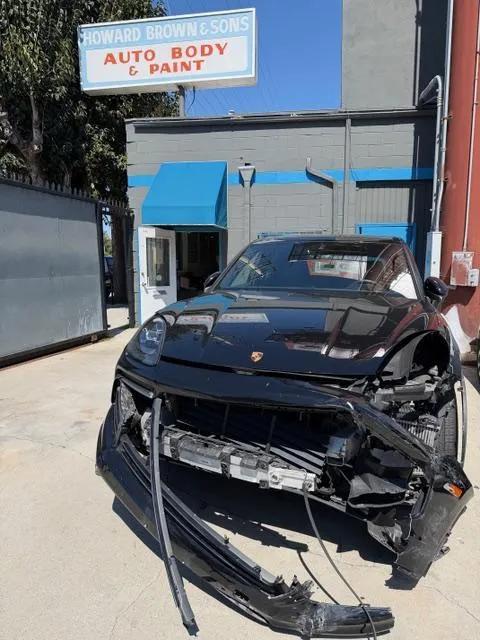
Get a repair estimate before you call your insurer
This is the step most drivers skip, and it matters more than almost anything else in this decision.
Before you contact your insurance company, go get an estimate from a reputable body shop. Why does the order matter? Because in many cases, simply calling your insurer to ask about a potential claim creates a record on your policy, even if you ultimately decide not to file. Some insurers track these inquiries, and multiple inquiries can factor into future rate calculations or renewal decisions.
Getting the repair estimate first gives you the number you actually need: does the repair cost clear your deductible by enough to make filing worthwhile?
Deductible VS Repair cost VS Premium impact
The basic framework is straightforward. If the repair costs less than your deductible, filing a claim makes no financial sense. You would pay the full cost anyway, and you would still have a claim on your record.
If the repair costs more than your deductible, the question becomes whether the difference is worth the likely premium increase. A useful rule of thumb: if the benefit you get from insurance (repair cost minus deductible) is less than what you would pay in increased premiums over the next two to three years, pay out of pocket.
For example: a $900 repair with a $500 deductible nets you $400 from insurance. If filing that claim causes your premium to rise by $200 per year, you have broken even in two years and paid more after that. In that scenario, handling it yourself is almost always the better move.
Los Angeles makes this math harder in one specific way: repair costs here run higher than national averages, and LA insurance premiums are already elevated. Both sides of the equation are inflated. The repair is more likely to clear your deductible, but the premium consequence of filing is also steeper.
A California rule most drivers don't know
In California, your insurer cannot raise your premium for a claim in which you were not at fault.
This is codified in California Insurance Code Section 1861.02. If another driver hit you and their liability is clear, filing through your own insurer should not cause your rates to increase. This changes the calculus significantly. For accidents where you bear no fault and the damage is meaningful, filing is usually the right call. You get the repair covered without premium consequences.
The practical caveat - liability isn't always clear immediately after an accident. If fault is disputed, the outcome may not be as clean. But if another driver hit you from behind in traffic or struck your parked car, you generally have more protection than you might assume.
Your policy may require you to report even if you don't file
This distinction matters and most articles miss it entirely.
Many auto insurance policies require policyholders to promptly notify the insurer of any accident, regardless of whether they intend to file a claim. Failing to report can give your insurer grounds to deny a future related claim. If you skip reporting a fender bender and the other driver later files against you, your insurer may use the nondisclosure to contest coverage.
Reporting and filing are not the same thing. You can notify your insurer that an incident occurred without formally opening a claim. If you are unsure whether your policy requires prompt reporting, call your agent rather than the claims department to ask.
When to definitely file a claim
Some situations are clear. File a claim when:
Another person's vehicle, property, or body was involved. Handling an accident privately with another party is a significant legal and financial risk. The other driver can change their account, discover delayed injuries, or decide later to pursue you. Insurance is specifically designed to protect against this kind of exposure.
The damage is structural or safety related. What looks like a cosmetic hit to a bumper can involve frame components, crumple zones, sensor mounts, or ADAS hardware. A shop that does a proper inspection may find damage well beyond the surface. Filing a claim ensures a full documented repair gets done, not just a cosmetic fix.
Repair costs are significantly higher than your deductible. When the gap is large, typically $1,000 or more above your deductible, using your insurance is usually the financially sound choice even with some premium increase factored in.Warning lights appeared after the accident and have not cleared
You were not at fault and fault is clear. California protects you from rate increases in these situations. Use the coverage you have been paying for.
When paying out of pocket makes more sense
Consider handling the repair yourself when:
The repair cost is at or below your deductible. There is no financial benefit to filing. You pay the full amount either way, and the claim still goes on your record.
You have recently filed another claim. Multiple claims in a short window, typically three years, can trigger steeper rate increases or nonrenewal. One small claim on an otherwise clean record has limited impact. A second or third compounds significantly.
The damage is purely cosmetic on an older vehicle. A door ding on a car that is 12 years old with an existing cosmetic history isn't worth a claim. The premium impact over three years will very likely exceed what you would save.
It was an incident involving only your car with no other parties. Backed into a post in a parking structure, clipped a curb, or caught a narrow gate: these are situations where you control the information entirely and the risk of filing often outweighs the benefit.
The value of the right shop when paying out of pocket
One final consideration that rarely appears in insurance decision guides: the shop you choose affects your experience when paying out of pocket more than most drivers realize.
You want a shop that gives you a clear written estimate, explains what needs to be done now versus what can be deferred, and doesn't pressure you into approving work beyond your budget. At Howard Brown & Sons, we work with customers paying out of pocket the same way we work with insurance customers. If you are weighing the decision and want to start with an honest repair number, come in for a free estimate and we will help you figure out what makes sense.
The right answer depends on your deductible, your claims history, who was involved, and the actual scope of the damage. Get the estimate first, understand what California law does and doesn't protect you from, and make the call with real numbers rather than assumptions.
Have a question?
Get in touch with us!

Family-owned - Since 1972 - three generations; long-standing West LA shop with 750+ 5-star reviews across Google and Yelp

OEM Parts whenever possible - PPG paint + advanced color matching, and straight talk when insurance proposes alternatives

Trained technicians - I-CAR, aluminum structure and carbon fiber certified technicians built around doing repairs correctly

Convenient Location - Just off the 10 freeway, between Barrington and Bundy.


© 2026. Howard Brown & Sons Auto Body. All Rights Reserved.